02 October 2026
Hot Dog Pueblo CO Must-Haves for Foodies
Presented by @edgarptgc101

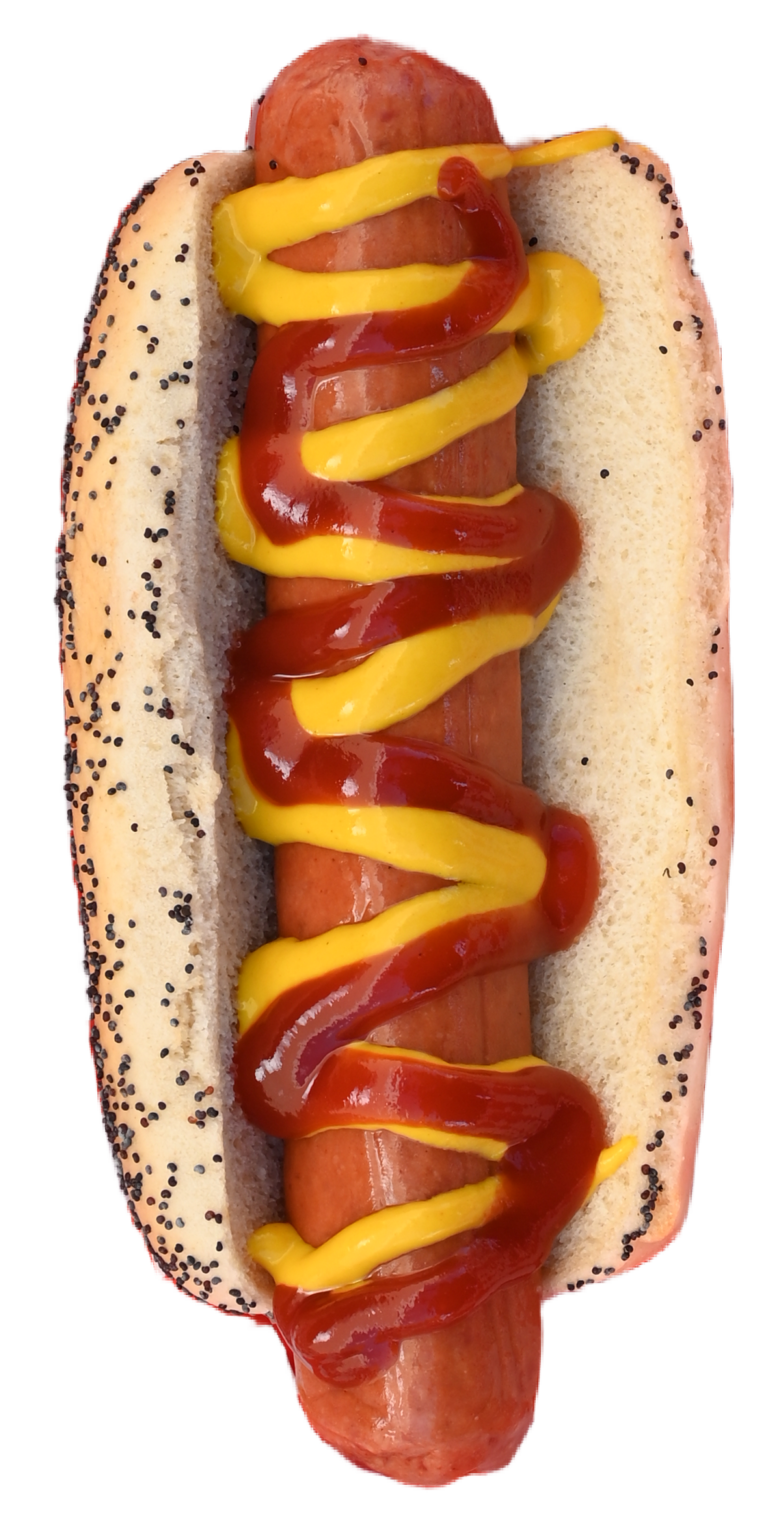
If you spend enough time eating your way through southern Colorado, you learn quickly that Pueblo does not treat a hot dog like an afterthought. In plenty of towns, it is a backup order, something cheap and familiar when the menu feels too crowded. In Pueblo, the hot dog can turn into a local expression of appetite and identity, especially once green chile enters the picture. That is where things get interesting for serious eaters.
A great hot dog Pueblo CO experience is not just about grabbing a frank in a bun and moving on. It is about understanding the local palate, the preference for bold flavor over gimmick, and the way comfort food gets sharpened by smoke, heat, acidity, and texture. Foodies sometimes overcomplicate humble dishes. Pueblo has a way of correcting that habit. Here, the best versions tend to be direct, hearty, and deeply satisfying, but they still reward careful attention.
Anyone visiting for the first time should know this up front: if you order a plain hot dog in Pueblo, you may be missing the point. The city has a longstanding affection for robust, no-nonsense food, and local green chile culture shapes expectations. That means the best hot dogs are usually built with purpose. Every topping should earn its place. Every bite should balance richness with bite, softness with snap, heat with relief.
What makes Pueblo different
Pueblo’s broader food culture matters here. This is a city where chile is not a novelty item added for marketing. It is part of the culinary language. Pueblo chile, often discussed with understandable local pride, brings a distinct flavor profile that tends to be earthy, bright, and more layered than simple heat suggests. Even when a hot dog is not explicitly labeled as a chile dog, local seasoning habits often lean toward stronger flavor than you might find in other parts of the state.
That local instinct changes the way a hot dog gets built. In some hot dog Pueblo CO regions, mustard and relish do most of the work. In Pueblo, a good dog often aims higher. It might carry a spoonful of green chile that seeps into the bun, or a savory chili with enough body to stay put without turning the whole thing soggy. It may include chopped onion for bite, shredded cheese for warmth, or a toasted bun sturdy enough to hold a heavy hand with toppings.
There is also a practical side to this style. Pueblo eaters tend to appreciate food that feels substantial. A hot dog is expected to eat like a real meal, not a concession stand placeholder. That affects portion size, topping volume, and the kind of sides that make sense with it. If you approach the dish with that local logic in mind, you are far more likely to order well.
The foundation matters more than people think
A surprising number of mediocre hot dogs fail before the toppings ever arrive. The sausage itself sets the ceiling. If the frank lacks snap, depth, or proper seasoning, no amount of chile or cheese can fully rescue it. A strong Pueblo-style dog should start with a hot dog that tastes like meat first, smoke second, and salt only as support. Texture matters too. The casing should give a clean, audible resistance when bitten. If it collapses without any pop, the whole thing feels flat.
Cooking method plays a big role here. Griddled dogs develop a nice browned surface and pick up savory notes that support heavier toppings. Flame-kissed dogs bring char, which works especially well with roasted chile flavors. Boiled dogs have their place when the goal is pure softness and nostalgia, but they usually struggle against bolder Pueblo-style builds. Once green chile enters the scene, you need a frank with enough personality to stand up and stay recognizable.
Then there is the bun, which too many people ignore until it fails them. A proper bun for a loaded dog in Pueblo should be soft enough to compress around the sausage, but firm enough not to disintegrate under heat and moisture. A lightly toasted bun often solves the problem. It creates a thin barrier against wet toppings and adds just enough structure without turning the whole thing into a crusty sandwich. When that ratio is wrong, even good ingredients can become messy in a bad way rather than the enjoyable kind of messy.
The must-haves that separate a memorable dog from an average one
For foodies, the fun lies in noticing the details that make one hot dog worth talking about and another easy to forget. In Pueblo, a few elements show up again and again in the best versions.
- A frank with snap: Texture is not optional. The first bite should feel decisive.
- Green chile with real flavor: Heat alone is not enough. You want roasted depth, slight sweetness, and freshness.
- A bun that holds up: Soft, warm, and sturdy beats oversized or overly bready.
- Crunch or bite from onions: Raw or lightly cooked onions keep rich toppings from becoming dull.
- A clean finish: Mustard, acidity, or spice should keep the dog lively rather than heavy.
That last point is where experienced cooks separate themselves. Richness is easy. Balance takes judgment. A hot dog loaded with chile, cheese, and chili can seem exciting on paper, but if there is no sharp edge, no crunch, no brightness, every bite tastes the same after the third mouthful. Pueblo style at its best is bold, not blunt.
Green chile is not just a topping
In Pueblo, green chile functions almost like a sauce category of its own. It can be thick and stew-like, spooned generously over a frank until the whole thing needs two hands and a stack of napkins. It can also be looser and more spoonable, adding moisture and heat without burying the sausage. Both styles can work, but they create very different eating experiences.
A thicker green chile turns the hot dog into a knife-and-fork affair if applied heavily. That can be satisfying, especially in cooler weather or when the dog is meant to stand in for lunch rather than a quick snack. The trade-off is structural. Too much and the bun gives out early. A lighter green chile preserves the handheld feel and lets the frank stay center stage. The trade-off there is intensity. If the sauce is timid, it disappears.
The best versions solve this by layering intelligently. A restrained amount of chile goes directly on the dog so the flavor reaches the sausage, not just the top of the bun. Cheese, if used, can anchor the sauce. Onions or pickled elements can sit above that, keeping their texture intact. What you want to avoid is a random pile. Pueblo flavors are strong enough that the order of assembly actually matters.
Heat tolerance also deserves honesty. Out-of-town visitors sometimes assume they should chase the spiciest option to prove seriousness. That is usually a mistake. A dog that obliterates the palate can flatten the nuance of the chile and hide the smoke of the frank. Better to choose heat you can enjoy for a full serving. Food appreciation is not a contest.
Chili, green chile, and the question of identity
One recurring debate around hot dogs in Pueblo is whether the ideal build should lean toward classic chili dog territory or move fully into green chile dog territory. The answer depends on what kind of eater you are and what mood you are in.
A traditional chili dog emphasizes savory density. The meat sauce brings body and richness, often with a cumin or chile powder note that rounds out the frank. It is familiar, satisfying, and especially good when paired with mustard or chopped onion. For some diners, this remains the most complete version of a loaded hot dog.
Green chile, though, gives a Pueblo dog a stronger sense of place. It adds a fresher pepper character, a little vegetal lift, and a regional signature that makes the dish feel less generic. That matters for foodies who travel with intention. If the point is to taste something connected to Pueblo, green chile earns top billing.
There is room for both, but piling on both chili and green chile can create excess. Sometimes it works, especially if one element is used sparingly, but often the result is muddled. The frank loses definition, the bun suffers, and each bite feels heavier than the last. Good cooks know restraint. Great cooks know which single idea deserves the spotlight.
Condiments that actually improve the experience
Mustard remains one of the smartest choices on a Pueblo hot dog, especially when richer toppings come into play. It cuts through fat, wakes up the sausage, and gives a bright edge that keeps the palate interested. Yellow mustard offers a straightforward tang that works well with chili and onions. A sharper brown mustard can be excellent too, though it risks competing with green chile if applied too aggressively.
Onions are nearly essential for contrast. Raw white onion gives crispness and bite. Grilled onion brings sweetness and softens the overall profile. Which is better depends on the rest of the build. If the dog already leans soft and saucy, raw onion usually does more good. If the frank is heavily charred and the chile has real heat, grilled onion can mellow the experience just enough.
Cheese is where many loaded hot dogs go wrong. Too much shredded cheese creates a gluey layer that contributes bulk without focus. Used carefully, though, it can add warmth and a mild dairy cushion that smooths sharper flavors. Think of cheese as support, not the headline.
Relish has a narrower lane in Pueblo-style builds, but it should not be dismissed. A sweet relish on a chile-heavy dog often feels out of place, yet a more restrained pickle component can be useful. Acid is important. Even a few slices of pickled jalapeño or a lightly pickled vegetable element can sharpen the whole structure.
When sides and drinks make the meal better
A loaded hot dog often needs the right companion more than a second dog. That is especially true in Pueblo, where toppings tend to be assertive. A salty side can become too much if it simply repeats the same flavor profile. What works better is either contrast or extension.
Crisp fries work because they add textural simplicity. Onion rings can be excellent if the dog itself is not already overloaded with fried elements. A small cup of green chile, on the other hand, only makes sense if you want the meal to lean fully into local indulgence. It can be fantastic, but it also pushes the meal toward richness very quickly.
Drinks deserve a little thought. A cold lager or a simple pilsner pairs nicely with spice and salt without demanding attention. Iced tea works for the same reason, particularly unsweetened with lemon. For those avoiding alcohol, sparkling water with citrus can cut through heavy toppings better than soda. Sweet soft drinks can be enjoyable, but they tend to make a cheese-and-chile dog feel even heavier.
How to order like someone who understands the assignment
First-time visitors often want the fullest possible version, assuming more equals more authentic. The smarter move is to order with balance in mind. If the chile is excellent, let it lead. If the frank is char-grilled and smoky, avoid drowning it. If you want chili and cheese, maybe skip extra wet toppings.
A simple ordering strategy helps:
- Ask whether the green chile is mild, medium, or hot, then choose for flavor rather than bravado.
- If the dog is heavily sauced, request onions for contrast.
- If you want cheese, keep the rest of the toppings focused.
- Toasted buns are worth choosing when available, especially on loaded dogs.
- Start with one signature build before customizing the second.
That last bit comes from experience. The first dog tells you how the kitchen thinks. Once you know their baseline, your second order can be smarter. Foodies who chase customization too early sometimes miss what made the place worth trying in the first place.
The role of texture, and why it matters so much here
Texture gets less attention than flavor in casual conversations, but it is often the deciding factor in whether a hot dog feels craveable. Pueblo-style toppings can be generous, and generosity creates risk. Without texture, every bite starts to blur into soft, hot saltiness.
The most successful dogs solve this with layering. Snap from the casing. Light resistance from the bun. Moisture from chile or chili. Crispness from onion. Maybe a little melt from cheese. That interplay keeps the dish moving. When a hot dog delivers that sequence cleanly, it feels satisfying in a deeper way than one that is simply spicy or loaded.
This is also why bun choice matters hot dog Pueblo CO so much in a hot dog Pueblo CO setting. The bun is not just a holder. It regulates the pace of the bite. A flimsy bun absorbs too much too fast and leaves you with a wet handful. An oversized bun steals attention from the sausage and toppings. A properly proportioned bun disappears just enough to let the rest of the build shine.
Regional pride shows up in small details
One of the pleasures of eating in Pueblo is noticing how local pride enters everyday food without turning performative. Not every hot dog stand needs to make a speech about local ingredients for the food to reflect local tastes. Sometimes the signal is simple. The chile tastes roasted and alive. The spice level assumes the customer likes flavor. The toppings are built for appetite, not social media photos.
That sensibility gives Pueblo hot dogs an honesty that foodies tend to appreciate once they slow down enough to notice it. The city’s best comfort foods do not beg for approval. They trust the eater to recognize quality in execution. A hot dog with a great snap, warm bun, balanced chile, and sharp onion does not need much explanation. It just needs attention.
What serious eaters should look for on a return visit
The first good hot dog in Pueblo usually leads to a second visit, and the second visit is where more subtle judgments start to matter. You notice whether the chile tastes consistent from one day to the next. You notice whether the kitchen controls moisture well during a rush. You notice whether the hot dog itself is seasoned enough to stay vivid under toppings.
That is the stage where preferences become personal. Some people end up favoring a cleaner build with mustard, onion, and a spoon of green chile. Others fall hard for a fully loaded chili-cheese variation with just enough raw onion to keep it from tipping into monotony. Neither camp is wrong. The point is to taste actively and let the local style teach you what works.
For foodies, that is really the appeal of the category. A hot dog sounds ordinary until it reflects place, technique, and judgment. In Pueblo, it often does. The city takes familiar ingredients and pushes them toward something more characterful, more rooted, and frankly more fun to eat. If you are searching for the must-haves, start with snap, chile, structure, and balance. Get those four right, and a humble hot dog becomes a dish worth traveling for.
Under Construction Hot Dogs
Address: 1225 W U.S. Hwy 50, Pueblo, CO 81008
FAQ About Hot Dog Pueblo CO
Why is it called a hot dog?
A hot dog gets its name from a 19th-century joke comparing long, thin sausages to dachshund dogs and mocking their cheap meat content.
Is hotdog non-veg?
Yes, traditional hot dogs are non-vegetarian because they are made from meat trimmings like pork, beef, chicken, or turkey.
What exactly is in a hot dog?
Hot dogs are cooked and smoked sausages made from finely ground, emulsified meat trimmings mixed with water, fat, spices, and preservatives.